Frequently Asked Questions
How can I effectively repair a joist?
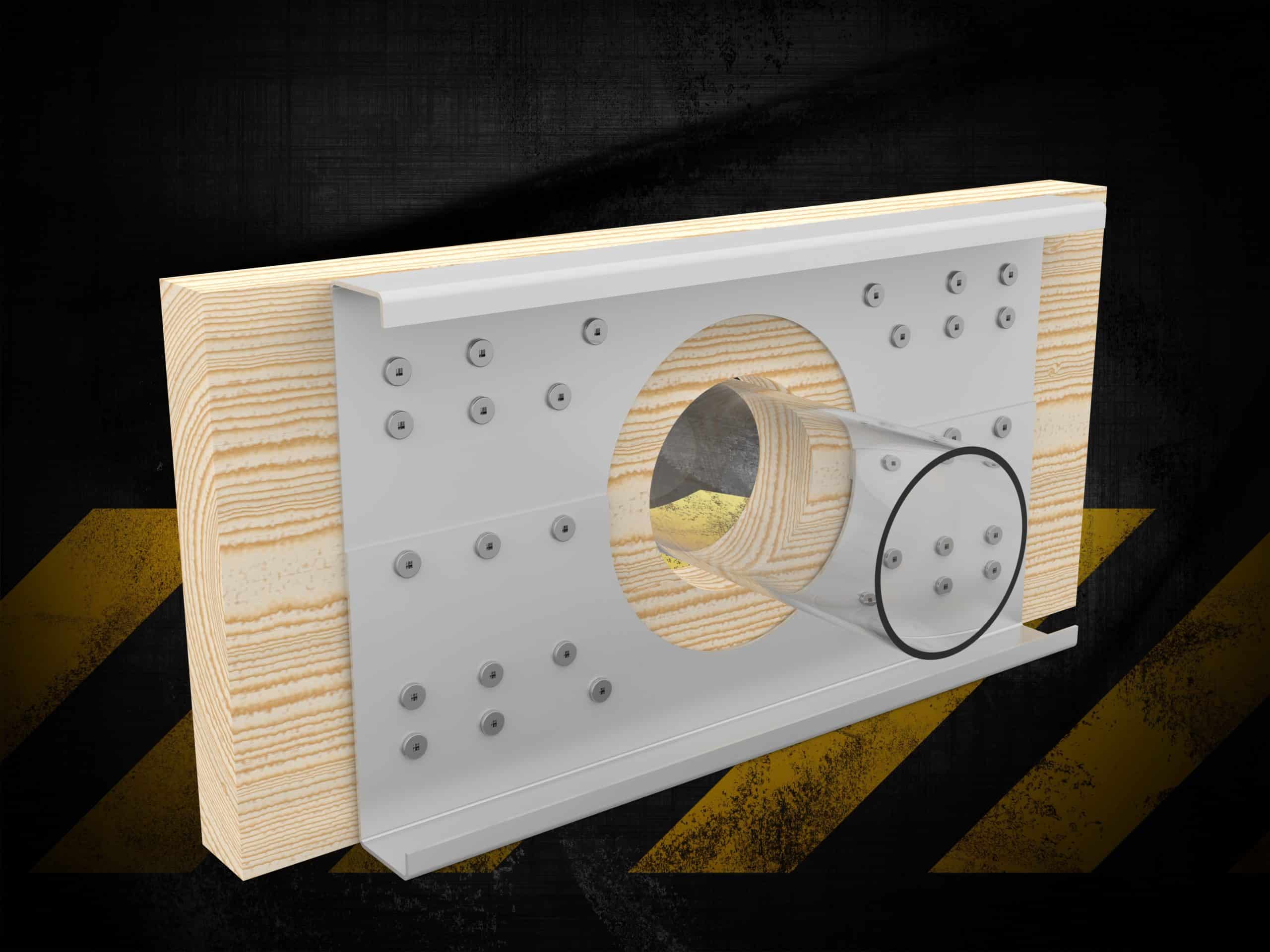
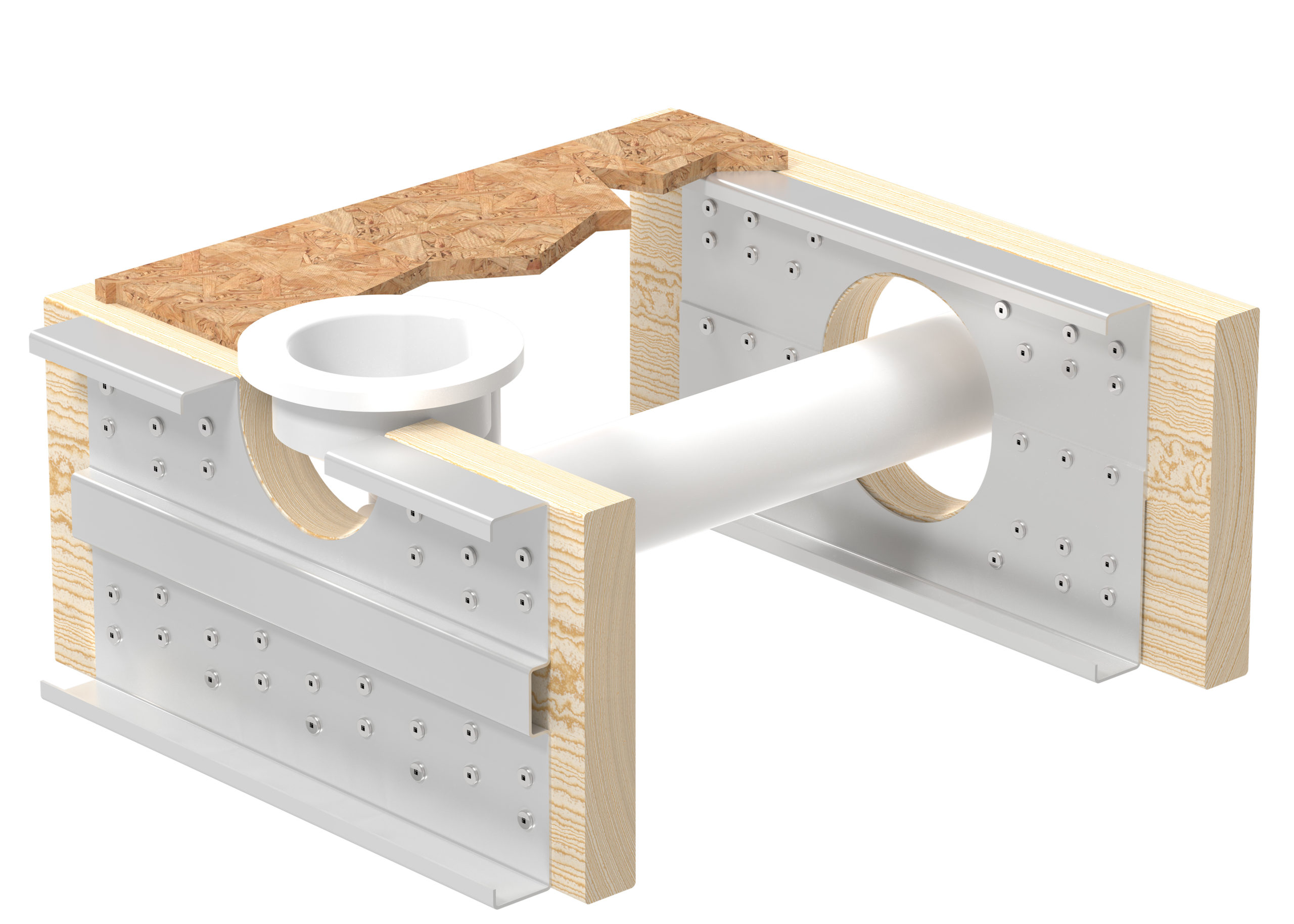
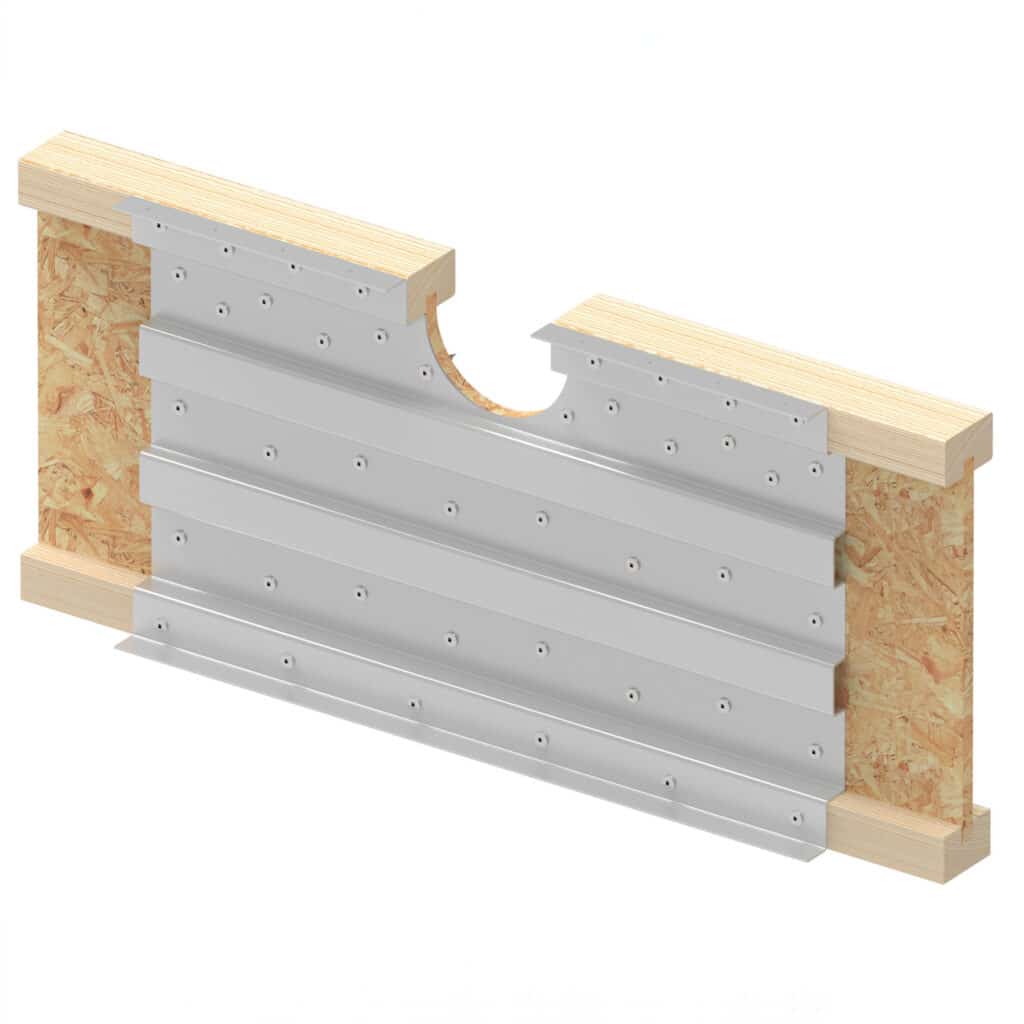
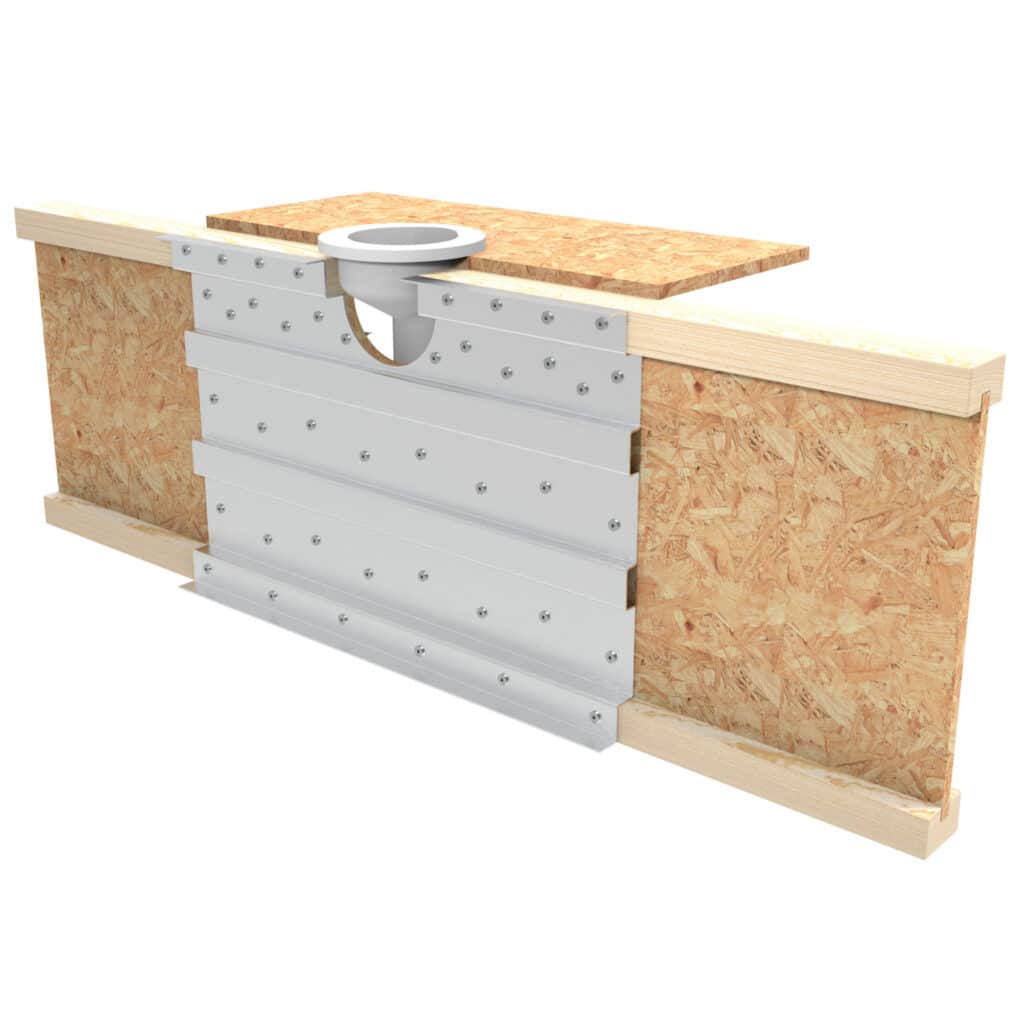
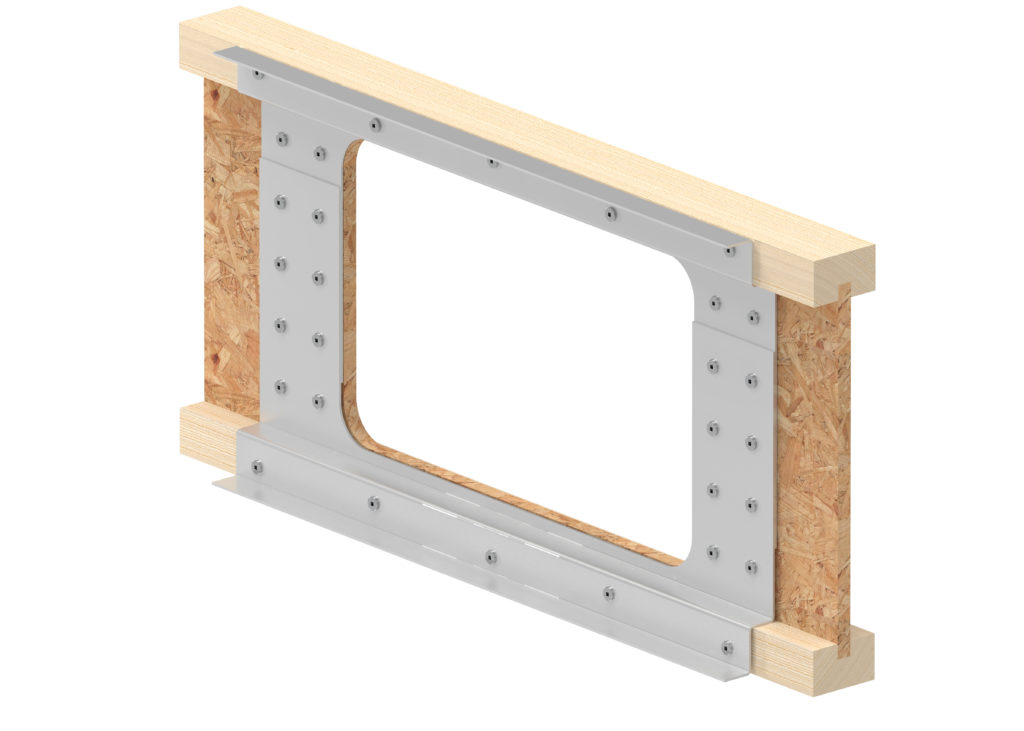
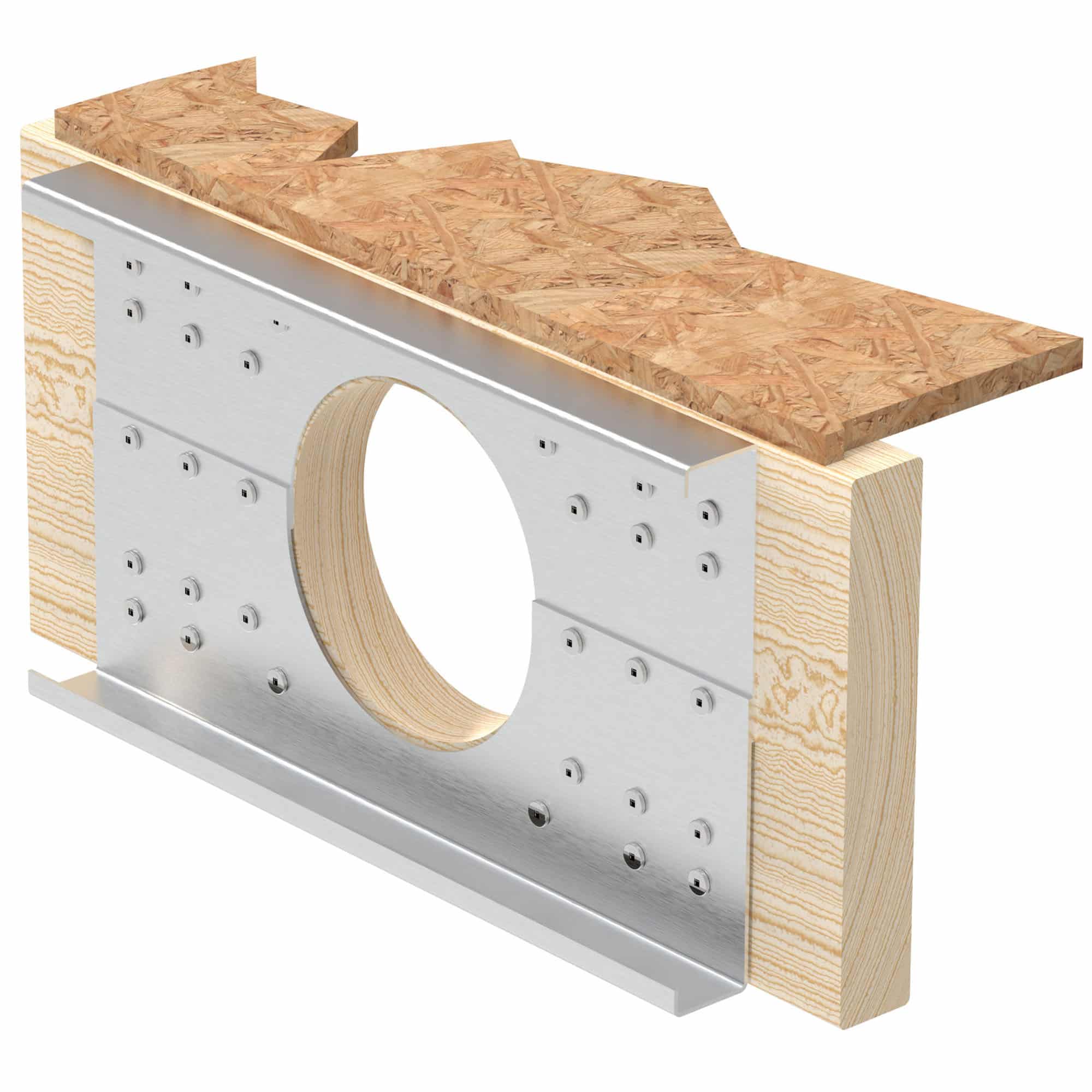
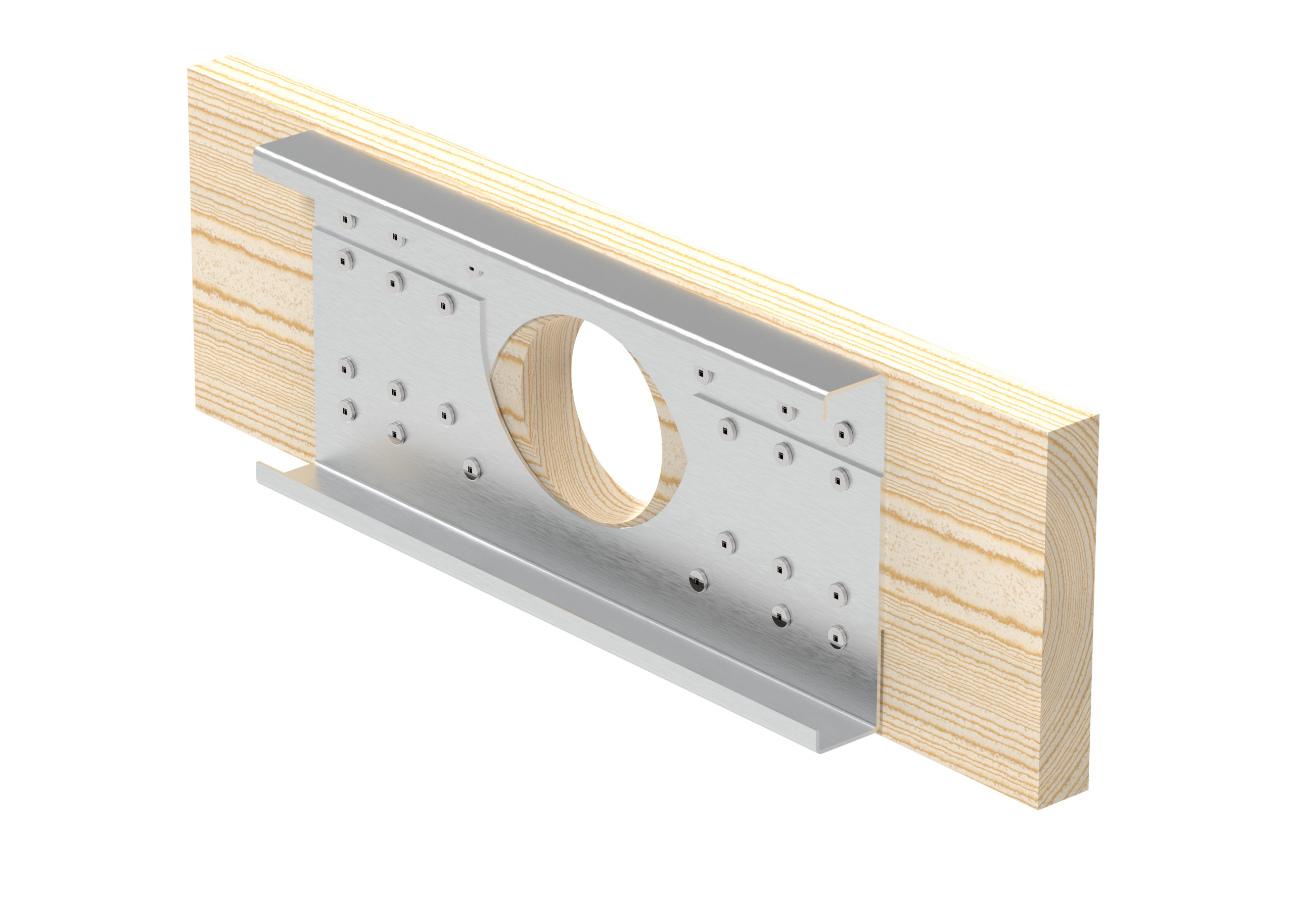
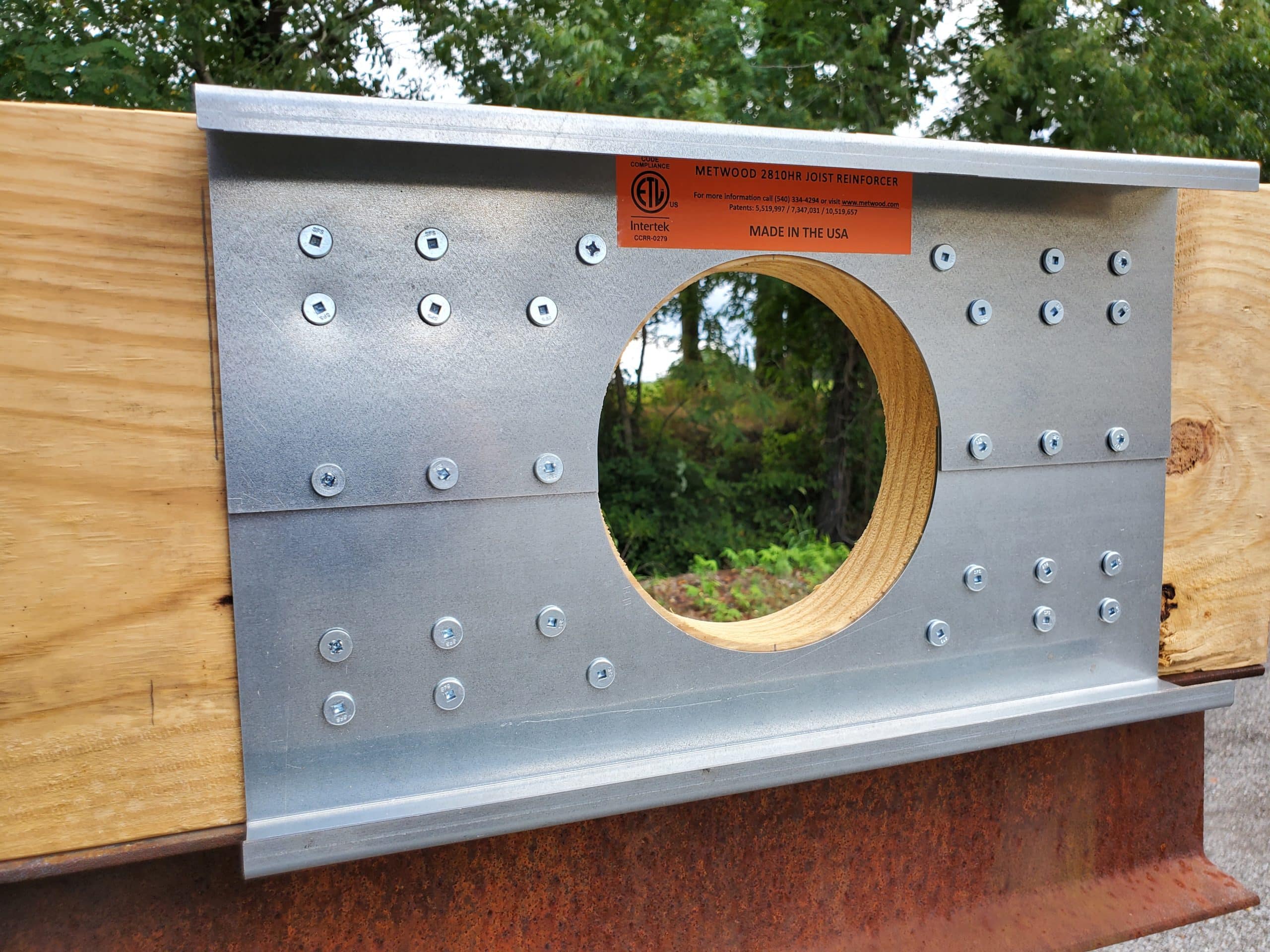
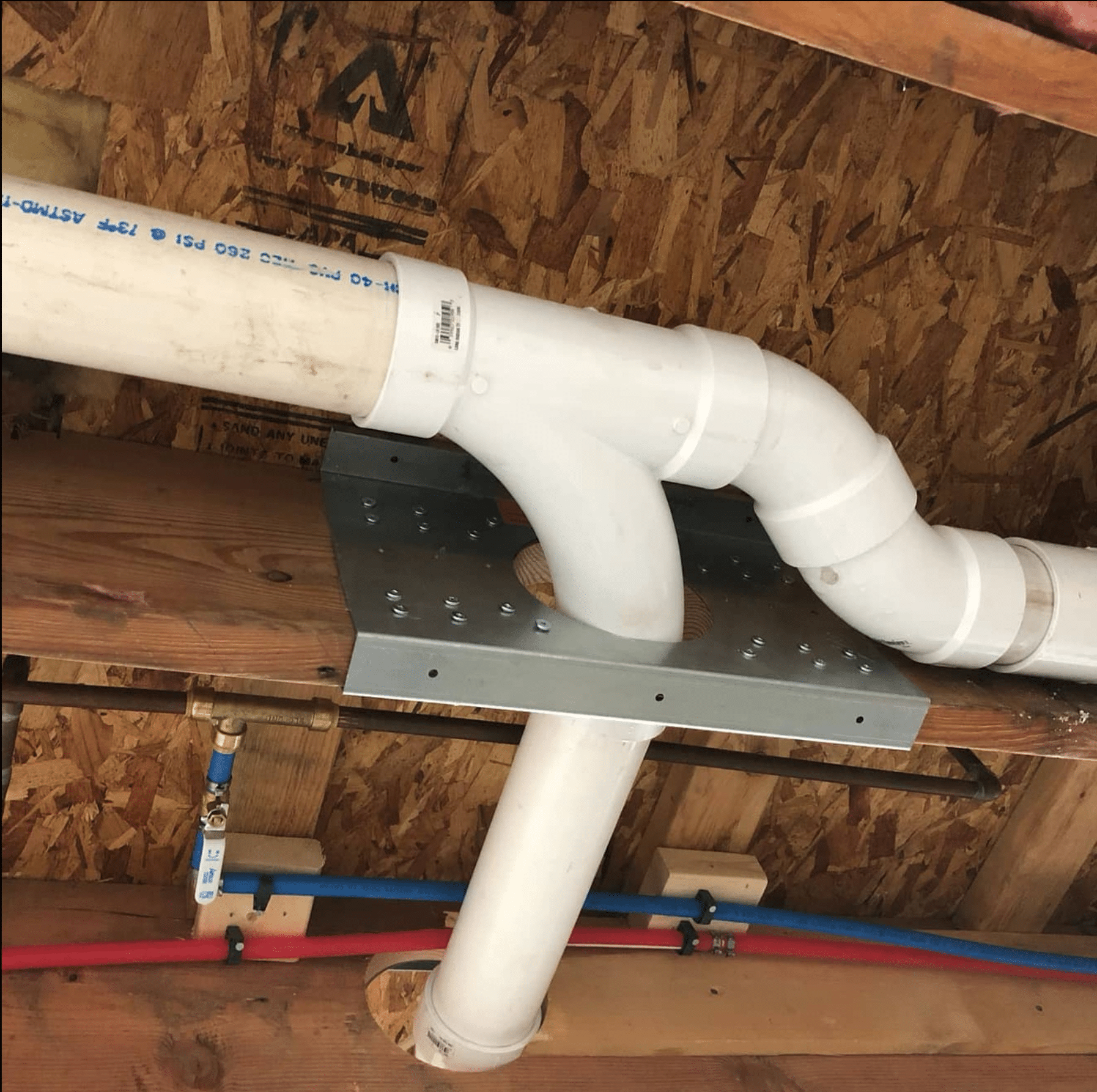
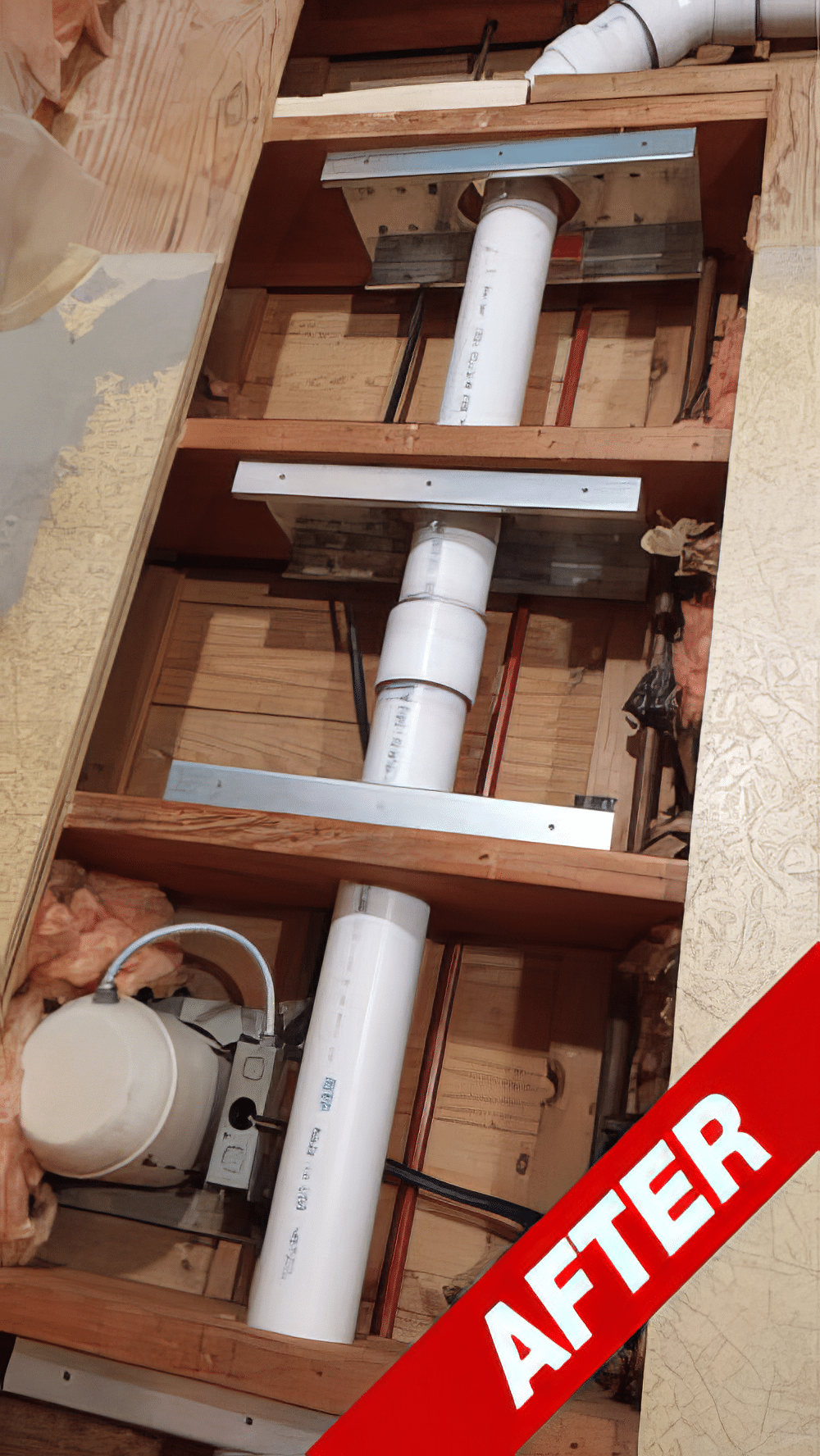
Effectively repairing a joist involves assessing the damage, using the Metwood 2810HR Joist Repair Reinforcer for added support, and ensuring compliance with building codes for safety and durability.
What are the advantages of using a joist reinforcement plate?
The advantages of using a joist reinforcement plate include enhanced structural support, increased load-bearing capacity, and the ability to repair damaged joists without the need for glue or additional fasteners, ensuring compliance with building codes.
What specifications should I consider for a joist repair plate?
The specifications to consider for a joist repair plate include material strength, thickness, dimensions, load capacity, and compliance with local building codes to ensure effective reinforcement and safety in your structural applications.
How does the Metwood 2810HR Joist Repair Reinforcer work?
The Metwood 2810HR Joist Repair Reinforcer works by providing structural support to wooden joists with specific-sized holes, allowing for installation without the need for glue or additional fasteners, ensuring compliance with building codes.
What applications are suitable for the Metwood 2810HR Joist Repair Reinforcer?
The suitable applications for the Metwood 2810HR Joist Repair Reinforcer include repairing damaged wooden joists, reinforcing joists with specific-sized holes, and enhancing structural integrity in residential and commercial buildings without the need for glue or additional fasteners.
Where can I purchase the Metwood 2810HR Joist Repair Reinforcer?
You can purchase the Metwood 2810HR Joist Repair Reinforcer through authorized distributors, home improvement stores, or directly from the Metwood Building Solutions website for convenient online ordering.
What tools are needed for joist repair?
The tools needed for joist repair include a saw for cutting, a drill for fastening, a level for alignment, and a measuring tape for accuracy. Additionally, safety gear like gloves and goggles is recommended for protection during the repair process.
How to identify damaged joists effectively?
Identifying damaged joists effectively involves inspecting for signs such as cracks, warping, or sagging. Additionally, check for moisture damage or insect infestations, as these can compromise structural integrity. Regular assessments can help ensure safety and stability.
Can I use a joist reinforcement plate alone?
Using a joist reinforcement plate alone is not recommended. It is designed to work in conjunction with additional support elements to ensure optimal strength and stability for the joist.
What materials are best for joist repair?
The best materials for joist repair include steel reinforcements, such as the Metwood 2810HR Joist Repair Reinforcer, which provide strength and durability, as well as plywood or laminated veneer lumber (LVL) for added support and stability.
How long does joist repair take?
The duration of joist repair can vary, but typically, it takes a few hours to a full day, depending on the extent of damage and the complexity of the installation process.
What are common joist repair mistakes?
Common joist repair mistakes include improper sizing of reinforcers, neglecting to follow building codes, using inadequate fasteners, and failing to account for load distribution. These errors can compromise structural integrity and safety.
How to ensure joist repair durability?
Ensuring joist repair durability involves using high-quality reinforcers like the Metwood 2810HR, proper installation techniques, and adhering to building codes. Regular inspections and maintenance can also help extend the longevity of the repair.
What is the cost of joist repair?
The cost of joist repair depends on various factors, including the extent of damage and materials used. Typically, expenses can range from $100 to $500 per joist, depending on the repair method and local labor rates.
How to install a joist reinforcement plate?
Installing a joist reinforcement plate involves aligning the plate over the damaged area of the joist, securing it with appropriate fasteners, and ensuring it is level and flush with the joist surface for optimal support.
What are the benefits of joist repair plates?
The benefits of joist repair plates include enhanced structural integrity, ease of installation without the need for glue, and compliance with building codes, making them an ideal solution for repairing damaged wooden joists effectively and efficiently.
How to maintain repaired joists over time?
Maintaining repaired joists over time involves regular inspections for signs of wear, moisture, or damage. Ensure proper ventilation and humidity control in the area to prevent deterioration, and address any issues promptly to ensure structural integrity.
What building codes apply to joist repairs?
The building codes that apply to joist repairs typically include local building regulations, the International Building Code (IBC), and the National Design Specification (NDS) for Wood Construction, ensuring safety and structural integrity.
How does moisture affect joist integrity?
Moisture significantly affects joist integrity by causing wood to swell, warp, or rot, reducing its strength and structural stability. Proper moisture management is essential to maintain the durability and safety of wooden joists.
What are signs of joist failure?
The signs of joist failure include noticeable sagging or bowing of the floor, cracks in walls or ceilings, and a creaking or popping noise when walking on the affected area.
How to choose the right joist repair method?
Choosing the right joist repair method involves assessing the extent of damage, the type of joist material, and building code requirements. Consider options like the Metwood 2810HR Joist Repair Reinforcer for effective and compliant repairs.
What is the lifespan of a joist repair plate?
The lifespan of a joist repair plate is typically long-lasting, often exceeding 50 years when properly installed and maintained, as it is designed to withstand the structural demands placed on it in various environmental conditions.
How to reinforce joists in older homes?
Reinforcing joists in older homes involves using structural reinforcements like the Metwood 2810HR Joist Repair Reinforcer, which allows for secure installation without glue, ensuring compliance with building codes and enhancing overall stability.
What are the best practices for joist installation?
The best practices for joist installation include ensuring proper spacing, using appropriate fasteners, and checking for level and alignment. Additionally, consider using reinforcement solutions like the Metwood 2810HR to enhance structural integrity and comply with building codes.
How to assess joist load capacity?
Assessing joist load capacity involves determining the size, spacing, and material of the joists, along with the load they will support. Consulting building codes and using load calculation formulas will ensure the joists meet safety requirements.
What is the difference between joist types?
The difference between joist types lies in their materials, shapes, and load-bearing capacities. Common types include wood, steel, and engineered joists, each offering distinct advantages for specific construction needs and applications.
How to prevent future joist damage?
Preventing future joist damage involves regular inspections, ensuring proper ventilation in crawl spaces, and addressing moisture issues promptly. Additionally, using protective coatings and reinforcing with products like the Metwood 2810HR can enhance durability and longevity.
What are the installation steps for joist reinforcements?
The installation steps for joist reinforcements include first measuring and marking the area on the joist where the reinforcement will be applied. Next, position the Metwood 2810HR Joist Repair Reinforcer over the marked area, ensuring it fits securely. Finally, fasten the reinforcer in place according to the manufacturer's guidelines, ensuring compliance with building codes.
How to troubleshoot joist repair issues?
Troubleshooting joist repair issues involves inspecting for proper installation of the Metwood 2810HR Joist Repair Reinforcer, ensuring all fasteners are secure, and checking for any signs of structural damage. If problems persist, consult a professional for further assessment.
What factors influence joist repair costs?
The factors that influence joist repair costs include the extent of damage, the type of materials used, labor costs, and any necessary compliance with building codes. Additionally, accessibility and the complexity of the repair can also impact overall expenses.