Frequently Asked Questions
How can I install a suspended floor system?
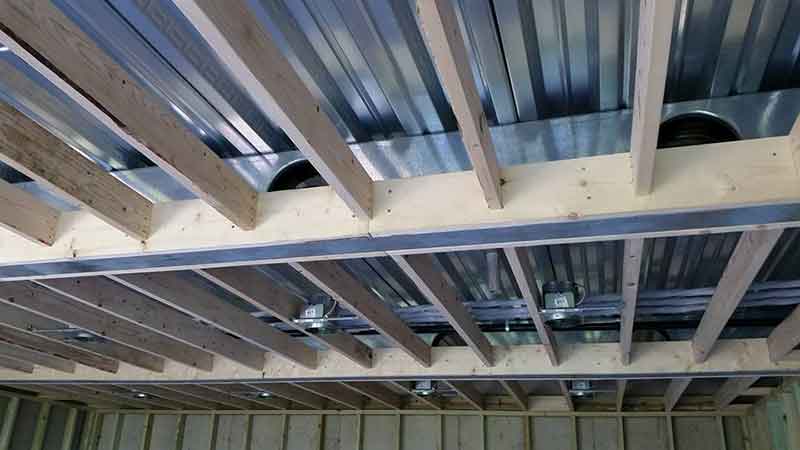
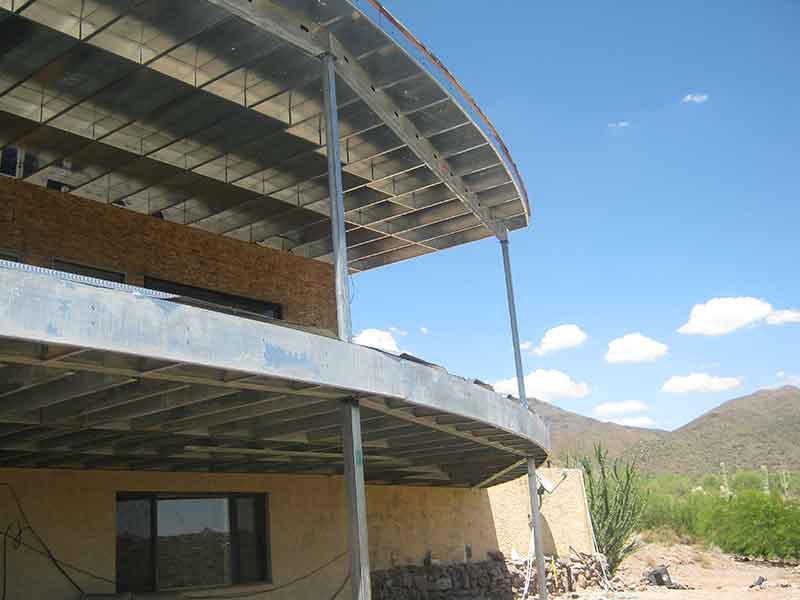
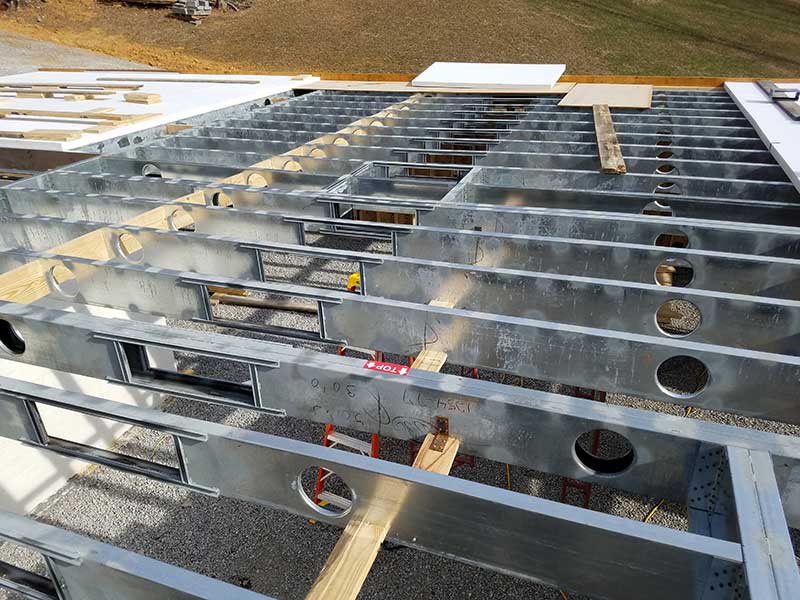
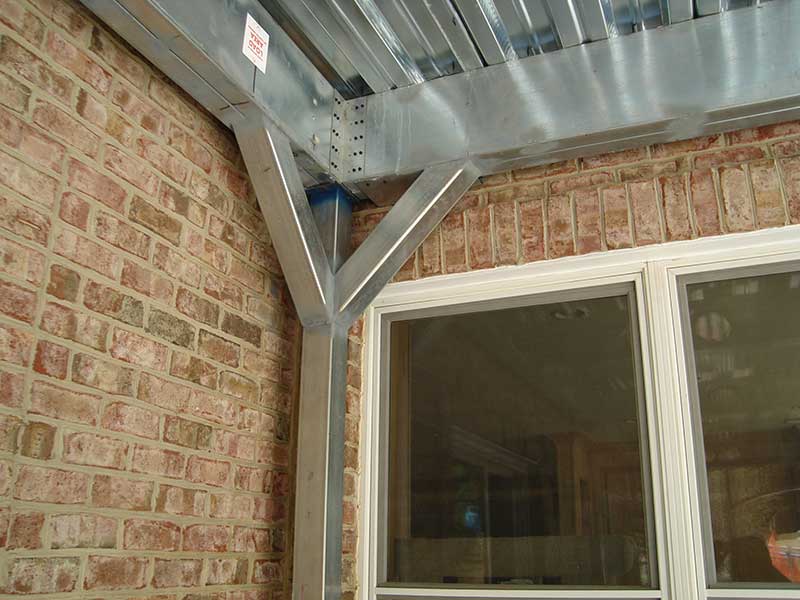
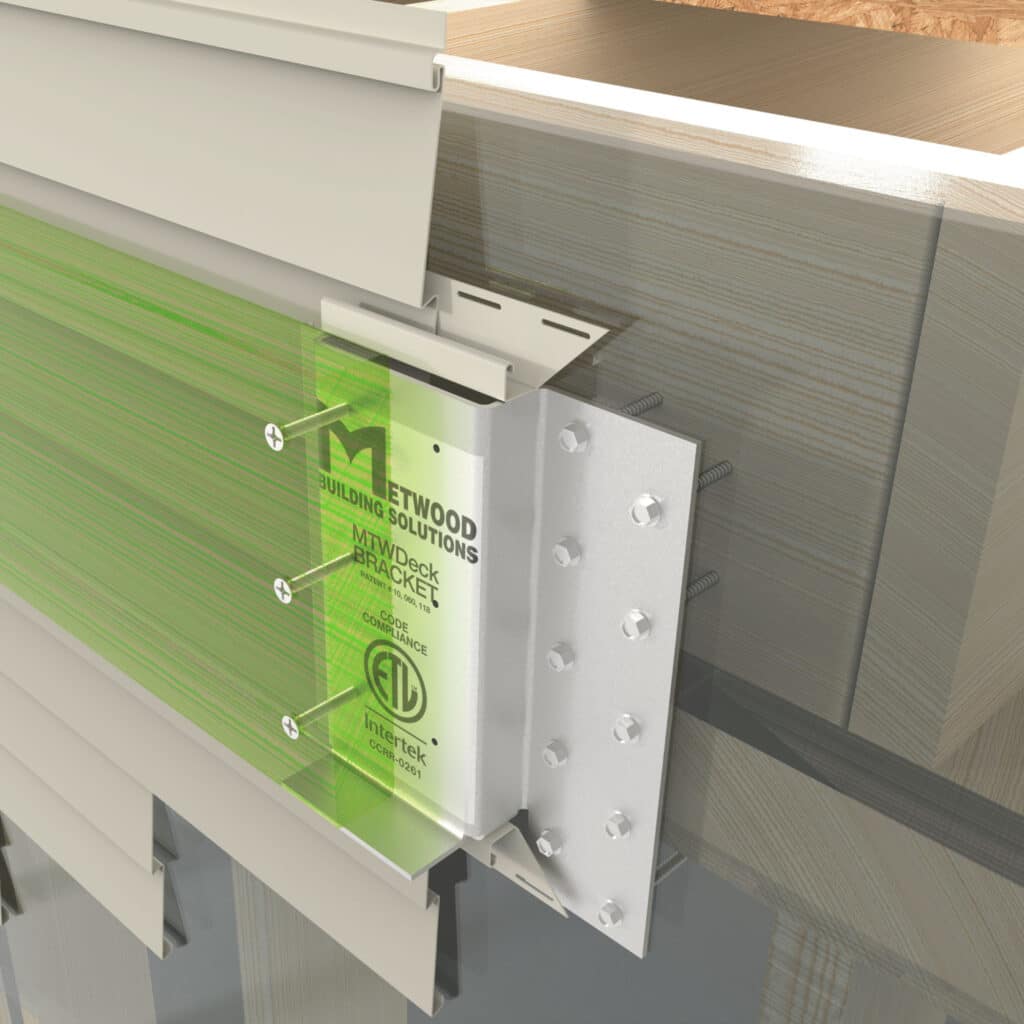
Installing a suspended floor system involves preparing the foundation, laying the support beams, and placing the concrete panels. Ensure proper alignment and secure connections for optimal structural integrity. Follow manufacturer guidelines for best results.
What are the advantages of using concrete surface systems?
The advantages of using concrete surface systems include their durability, low maintenance requirements, design flexibility, and excellent structural integrity, making them ideal for various construction applications.
What features should I consider when choosing a floor system?
The features to consider when choosing a floor system include design flexibility, structural integrity, ease of installation, and compatibility with building requirements. These factors ensure that the floor system meets your specific needs and enhances overall performance.
How does a suspended floor improve structural integrity?
A suspended floor enhances structural integrity by distributing loads evenly across the supporting framework, reducing stress on individual components. This design minimizes the risk of cracking and deformation, ensuring long-lasting stability and strength in construction projects.
What applications are best suited for suspended concrete floors?
Suspended concrete floors are best suited for applications such as residential buildings, commercial spaces, and industrial facilities, where design flexibility, structural integrity, and efficient load distribution are essential for optimal performance.
What materials are used in suspended floor systems?
The materials used in suspended floor systems typically include reinforced concrete, steel beams, and insulation materials. These components work together to ensure structural integrity, durability, and effective thermal performance.
How do I maintain a suspended floor system?
Maintaining a suspended floor system involves regular inspections for any signs of wear or damage, ensuring proper drainage to prevent moisture accumulation, and cleaning debris from ventilation spaces to promote airflow and structural integrity.
What is the lifespan of concrete surface systems?
The lifespan of concrete surface systems typically ranges from 30 to 50 years, depending on factors such as installation quality, environmental conditions, and maintenance practices. Proper care can significantly extend their durability and performance.
Can suspended floors be installed over existing floors?
Suspended floors can indeed be installed over existing floors. This method allows for efficient renovations while maintaining structural integrity and design flexibility.
What are the cost benefits of concrete surface systems?
The cost benefits of concrete surface systems include reduced maintenance expenses, enhanced durability, and energy efficiency, which collectively lead to long-term savings and lower overall lifecycle costs for construction projects.
How do suspended floors affect heating efficiency?
Suspended floors can enhance heating efficiency by allowing for better air circulation and insulation. Their design minimizes heat loss, ensuring that spaces remain warmer and more comfortable while reducing energy consumption.
What design options are available for floor systems?
The design options available for floor systems include various configurations and finishes that cater to both aesthetic and functional needs, allowing for flexibility in layout, load-bearing capacity, and integration with other building elements.
How do I choose the right floor system?
Choosing the right floor system involves considering factors such as design flexibility, structural integrity, and installation ease. Evaluate your specific project needs and consult with experts to ensure the best fit for your construction requirements.
What are common issues with suspended floor installations?
Common issues with suspended floor installations include inadequate support, improper leveling, moisture problems, and insufficient insulation, which can lead to structural concerns and decreased performance of the flooring system.
How do suspended floors handle moisture and humidity?
Suspended floors effectively manage moisture and humidity by allowing air circulation beneath the flooring, which helps to prevent dampness and mold growth. Additionally, proper installation with moisture-resistant materials further enhances their performance in humid environments.
What is the installation process for concrete surface systems?
The installation process for concrete surface systems involves preparing the site, laying a base, pouring the concrete, and allowing it to cure. This ensures a durable and level surface suitable for various applications.
How do suspended floors improve sound insulation?
Suspended floors improve sound insulation by creating a gap between the floor and the ground, which helps to dampen sound vibrations. This design minimizes noise transmission between levels, enhancing overall acoustic comfort in a building.
What weight can a suspended floor support?
Suspended floors can support a significant weight, typically ranging from 300 to 500 pounds per square foot, depending on the specific design and materials used. It's essential to consult with a structural engineer for precise load calculations.
Are there eco-friendly options for floor systems?
Eco-friendly options for floor systems are available, including sustainable materials like recycled concrete and wood, as well as systems designed to reduce energy consumption during installation and use, aligning with environmentally responsible construction practices.
How do I troubleshoot problems with suspended floors?
Troubleshooting problems with suspended floors involves identifying issues such as uneven surfaces, noise, or structural instability. Begin by inspecting for visible damage, checking support systems, and ensuring proper installation. If problems persist, consult a professional for further assessment.
What are the best practices for installing concrete surfaces?
The best practices for installing concrete surfaces include ensuring a stable and clean subgrade, using proper forms and reinforcement, mixing concrete to the right consistency, and allowing adequate curing time to achieve optimal strength and durability.
How do suspended floors compare to traditional flooring?
Suspended floors offer advantages over traditional flooring, including enhanced structural integrity, design flexibility, and easier installation. They provide better moisture control and insulation, making them a superior choice for modern construction needs.
What safety standards apply to suspended floor systems?
The safety standards that apply to suspended floor systems include compliance with building codes, structural integrity regulations, and fire safety guidelines. These standards ensure that the systems are safe, reliable, and suitable for various applications.
How can I enhance the durability of concrete surfaces?
Enhancing the durability of concrete surfaces involves using high-quality materials, applying sealants, and ensuring proper curing. Regular maintenance, such as cleaning and repairing cracks, also contributes to long-lasting performance.
What finishes are available for suspended concrete floors?
The finishes available for suspended concrete floors include polished concrete, stained options, epoxy coatings, and textured surfaces. These finishes enhance aesthetics while providing durability and ease of maintenance.
How do I ensure proper drainage with suspended floors?
Ensuring proper drainage with suspended floors involves designing a slight slope in the floor system and incorporating drainage channels or outlets. This allows water to flow away efficiently, preventing pooling and potential structural issues.
What are the aesthetic benefits of concrete surface systems?
The aesthetic benefits of concrete surface systems include their versatility in design, ability to mimic various textures and finishes, and the option for vibrant colors. This enhances the visual appeal of spaces while ensuring durability and low maintenance.
How do suspended floors impact building design?
Suspended floors significantly influence building design by offering enhanced design flexibility, allowing for varied layouts and easier integration of services, while also ensuring structural integrity and improved load distribution throughout the structure.
What certifications should I look for in floor systems?
The certifications to look for in floor systems include ASTM, ISO, and ACI standards, ensuring quality, safety, and performance. Additionally, check for local building code compliance to guarantee suitability for your specific project requirements.
How do I assess the quality of a floor system?
Assessing the quality of a floor system involves evaluating its materials, structural integrity, design flexibility, and installation process. Look for certifications, performance ratings, and user reviews to ensure it meets your specific requirements and standards.